
The New English Dictionary’s Long Making
The Surgeon of CrowthorneThis thread traces the dictionary project from its intellectual proposal through volunteer collection, Oxford’s adoption, publication in parts, and eventual completion.
increasing Bearing strength in each event
 decreasing
Bearing strength in each eventdecreasingA Call for a New Dictionary
The Project Takes Shape
A proposed history
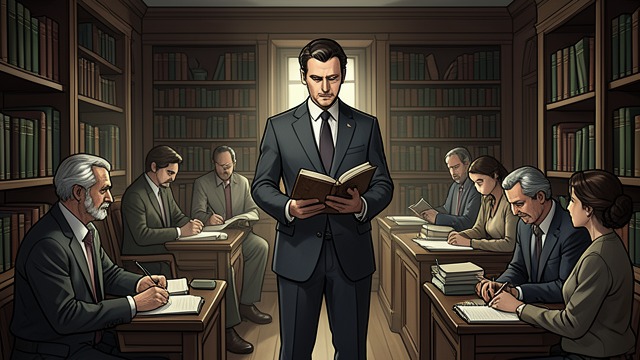
At the London Library, Richard Chenevix Trench argued that English dictionaries left important gaps. He proposed a dictionary that would record the language as used, tracing the histories and changing senses of words rather than merely prescribing what counted as correct.
Collective effort
The scale of the undertaking made a single-editor approach seem impossible. The Philological Society embraced the idea of recruiting volunteer readers, turning the proposed reference work into a collaborative effort that depended on contributions from across the English-reading public.
Early Delays and Losses
Ambition Meets Reality
Gathering materials
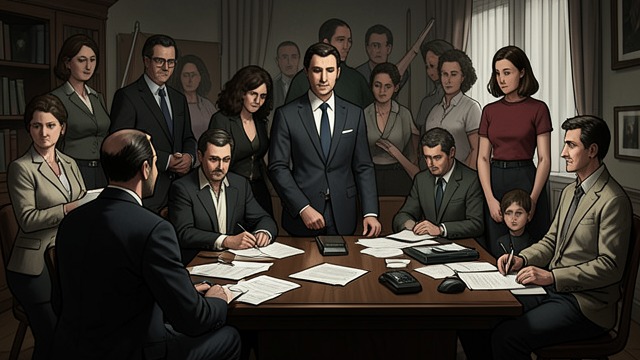
The early organizers began collecting slips that recorded words in context, but their estimates of the work were far too optimistic. Herbert Coleridge died before he could progress far through the alphabet, and Frederick Furnivall struggled to keep the volunteer network active.
A stalled enterprise
Books and slips accumulated unevenly, while the project lacked a workable path from raw materials to a finished publication. The dictionary’s survival depended on finding an editor and publisher willing to accept a task much larger and slower than its founders had imagined.
Murray and Oxford Commit
A New Editor and Publisher
A case for the work
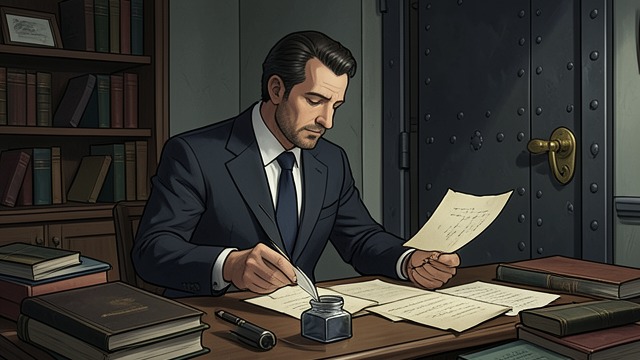
Frederick Furnivall encouraged James Murray to take on the editorship, and Murray prepared sample pages to demonstrate his approach. Oxford’s delegates questioned the samples and debated the project’s details before gradually accepting that Murray and the proposed dictionary could meet their aims.
A formal undertaking
After further negotiations, the agreement was signed in 1879. Murray became editor of the New English Dictionary on Historical Principles, with the Oxford University Press undertaking publication and a renewed call for readers to supply evidence.
Publication in Fascicles

The Dictionary Reaches Readers
First printed evidence
The first fascicle appeared in 1884, turning years of collecting and editing into a visible publication. It demonstrated the project’s historical method through entries supported by dated quotations, while also exposing how much more work remained.
A prolonged completion
The publication plan divided the dictionary into parts, but the pace of work outlasted repeated estimates. Successive fascicles and volumes carried the project through changing editors and generations, making the dictionary both an ongoing scholarly enterprise and a public monument to sustained collaboration.
The Alphabet Exhausted
A Monument Completed
Completion announced
On New Year’s Eve in 1927, the editors announced that the alphabet had been exhausted and the dictionary’s text was in the printers’ hands. The completed work embodied decades of editorial decisions and the contributions of a vast community of readers.
An evolving reference work
The dictionary continued to change after its completion: a supplement followed in 1933, later additions were incorporated, and a second edition brought material together in a new form. Its publication was not simply the end of a project, but the beginning of an enduring record that required continued revision.
November 1857, at St James’s Square
1858–1877, during the project’s first two decades
1877–1879, from sample pages to contract
1884–1927, as installments appeared
1927–1933, from completion announcement to supplement
